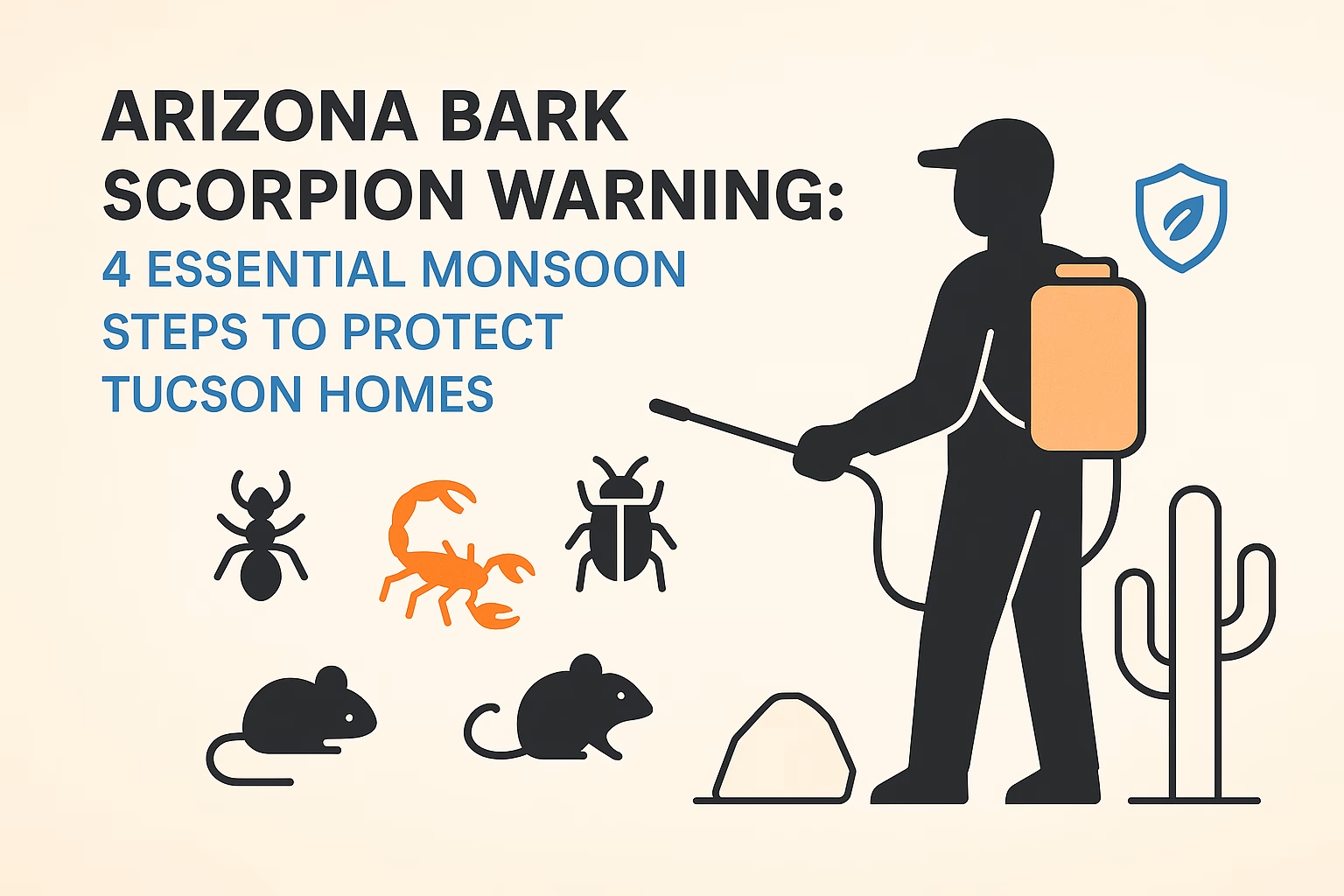
Introduction: The Arizona Bark Scorpion—What Tucson Homeowners Need to Know
When temperatures rise and monsoon moisture arrives, Tucson scorpions become more active—and the Arizona bark scorpion is the one homeowners can’t ignore. These venomous scorpions slip through tiny gaps, hide in block walls and cluttered yards, and can deliver painful stings to children, pets, and outdoor workers.
This complete guide walks you through accurate identification, health risks and first aid, seasonal pressures, practical prevention, and when to call a pro—so you can keep Arizona bark scorpions out of your Tucson home.
What Is the Arizona Bark Scorpion (Centruroides sculpturatus)?
Fast facts Tucson homeowners should know
- Most medically significant scorpion in the U.S. The Arizona bark scorpion’s venom can cause severe symptoms, especially in children and older adults.
- Appearance: Slender pincers, a thin tail with a subtle raised “keel,” and a lean, elongated profile compared with bulkier species.
- Elite climber: Frequently found on walls, block fences, stucco, trees, ceilings, and other elevated hiding spots.
- Glows under UV: Like other scorpions, it fluoresces a bright greenish-blue under blacklight—useful for nighttime detection.
How to identify the Arizona bark scorpion vs. other Tucson scorpions
While desert areas around Tucson host several scorpion species, the Arizona bark scorpion stands out with its slender build and behavior. Here’s what to look for:
- Body shape: Slender pincers and a narrow tail differentiate it from larger, bulkier species often seen in Tucson.
- Color: Usually tan to light brown with slightly darker markings.
- Posture: When at rest, it often holds its tail more tightly curved over the back.
- Behavior: Strictly nocturnal; it seeks cool, protected microhabitats by day, and forages at night.
If you’re unsure, conduct a careful nighttime UV inspection and take a clear photo for identification. When in doubt, treat any scorpion indoors as a potential venomous scorpion and follow prevention steps below.
Where Arizona Bark Scorpions Hide and How They Get Into Tucson Homes
Typical outdoor and indoor harborage around Tucson yards
To lower scorpion pressure, start by targeting their favored hiding spots.
- Outdoor: Palm fronds, woodpiles, stacked stone, block walls, irrigation boxes, mulch beds, landscape timbers, and general yard clutter.
- Indoor: Along baseboards, inside closets and laundry rooms, in garages, and under furniture and sinks—especially in cool, protected corners.
Common entry points: doors, vents, weep holes, block walls
The arizona bark scorpion excels at squeezing through tiny gaps. Typical access points include:
- Micro-gaps around exterior doors, thresholds, and window frames
- Roofline openings and unsealed utility penetrations (cable, plumbing, AC lines)
- Unscreened weep holes and attic/soffit vents
- Hollow block wall voids and expansion joints
For a local government overview of scorpion habits and home hardening basics, see the Maricopa County scorpion guidance.
Are Arizona Bark Scorpions Dangerous? Understanding Venomous Scorpions and Sting Care
Sting symptoms and who’s at risk
 Online Only Pricing!
Tucson Pest Control—Fast, Local, Guaranteed
Book in minutes. Lock in our online-only rate and get priority scheduling.
- Stops ants, spiders, mice & pack rats
- No long-term contracts
- Family & pet-friendly options
- Money-back guarantee
Online takes ~60 seconds.
No gimmicks—just your price & schedule.
Prefer to talk? We can't guarantee our online prices over the phone.
We're happy to talk! Call us at (520) 476-0879
Most stings cause intense pain, tingling, and numbness at the site. However, severe envenomations may include muscle twitching, unusual eye movements, vomiting, or trouble breathing. Higher-risk groups include:
- Young children
- Older adults
- People with underlying heart, lung, or neurological conditions
Important: Antihistamines and epinephrine are not routine treatments for scorpion envenomation unless directed by a clinician. For a clear medical overview of symptoms, risk groups, and when to seek care, consult the Mayo Clinic’s scorpion sting guide.
First‑aid steps Tucson homeowners can take right away
- Move the person to a safe area away from the scorpion.
- Wash the sting site gently with soap and water.
- Apply a cool compress (avoid placing ice directly on skin).
- Monitor for escalating or systemic symptoms—seek urgent medical care for severe pain, muscle twitching, breathing trouble, or symptoms in children.
- Call Poison Help for real-time guidance: 1-800-222-1222.
Arizona residents can also consult the Arizona Poison and Drug Information Center for localized sting guidance, prevention tips, and FAQs.
Why Tucson Sees More Scorpions During Monsoon Season
Monsoon moisture, prey surges, and indoor incursions
Monsoon rains spike insect activity and humidity, which in turn boosts Tucson scorpions’ foraging and movement. High winds and localized flooding can displace arizona bark scorpions from their daytime harborages, pushing them into garages and living spaces as they hunt for dry, protected shelter.
Practical steps to harden your home before storms hit
- Pre‑monsoon sealing: Install or replace door sweeps, weather‑strip windows, screen weep holes and vents, and seal utility penetrations with silicone or copper mesh.
- Yard cleanup: Thin dense vegetation, elevate firewood, remove debris piles, and keep palm trees trimmed.
- Lighting tweaks: Switch to yellow/amber LED bulbs outdoors to reduce insect prey around entryways.
- Monitoring routine: Use sticky traps in garages and mechanical rooms; perform periodic UV checks along walls, fences, and patios.
Prevention and Control: An IPM Plan for Tucson Scorpions
Home sealing, yard sanitation, and UV blacklight checks
An Integrated Pest Management (IPM) plan layers exclusion, sanitation, monitoring, and targeted treatment. Focus on:
- Seal the shell: Tighten door thresholds, weather‑strip windows, caulk cracks, screen weep holes and vents, and seal roofline/utility gaps. Where feasible, dust or monitor hollow block wall voids.
- Reduce harborage: Declutter yards and garages, elevate storage, trim vegetation away from structures, manage irrigation to avoid chronic damp zones, and store firewood away from the house.
- Find them at night: Conduct periodic UV inspections to locate and remove scorpions, paying close attention to block fences, stucco seams, meter boxes, and patio edges.
For IPM fundamentals that apply well to scorpions, see the EPA’s IPM principles and the University of Arizona IPM program.
Natural‑first tactics vs. traditional treatments
- Start natural: Exclusion, habitat reduction, and lighting changes often deliver the biggest gains with no chemical use.
- When to add treatments: In persistent activity zones, targeted residual sprays (around entry points, wall bases, and foundation lines) and carefully applied wall‑void dusts can help. Choose products labeled for scorpions and follow directions to keep treatments child‑ and pet‑safe.
- Combine methods: Physical removal during UV checks plus ongoing sealing and sanitation typically outperforms chemicals alone.
Online Only Pricing!
Tucson Pest Control—Fast, Local, Guaranteed
Book in minutes. Lock in our online-only rate and get priority scheduling.
- Stops ants, spiders, mice & pack rats
- No long-term contracts
- Family & pet-friendly options
- Money-back guarantee
Online takes ~60 seconds.
No gimmicks—just your price & schedule.
Prefer to talk? We can't guarantee our online prices over the phone.
We're happy to talk! Call us at (520) 476-0879
Seasonal homeowner checklist for arizona bark scorpion prevention
- Spring: Comprehensive exterior sealing; yard cleanup; inspect and, if appropriate, dust or monitor block wall voids; set baseline sticky traps in the garage.
- Monsoon: Weekly UV sweeps along walls and fences; re-check door sweeps; keep patios and entries uncluttered; swap porch bulbs to amber LEDs.
- Fall/Winter: Maintain barriers; store seasonal items in sealed bins; monitor garages and storage areas where scorpions may overwinter.
When DIY Isn’t Enough: Professional Scorpion Control in Tucson
What a scorpion‑focused service includes (inspection to follow‑up)
- Detailed inspection: Daytime search for exterior and interior harborages plus nighttime UV surveys to map activity hot spots.
- Targeted treatments: Precision perimeter applications, crack-and-crevice work, and wall‑void dusting when indicated by inspection findings.
- Exclusion and recommendations: Door sweeps, screening, and sealing gaps, with homeowner guidance to maintain a tight “shell.”
- Child‑ and pet‑safe protocols: Use of labeled products, precise application, and clear re-entry intervals.
- Monitoring and follow‑up: Sticky traps, scheduled UV checks, and service guarantees to keep pressure down.
To find a licensed pro with scorpion experience, use the PestWorld locator and ask specifically about bark scorpion inspection methods and follow‑up schedule.
Budgeting for bark scorpion control: typical Tucson pricing
- What influences cost: Home size and construction, severity and location of activity, block wall dusting needs, and visit frequency.
- Predictable costs over time: Quarterly or bi‑monthly programs typically reduce long‑term pressure and spread costs more evenly than one‑off treatments.
- National benchmarks: For a general sense of pricing ranges across services, review this national pest control cost guide and request multiple local quotes to compare scope and guarantees.
Safety for Families, Pets, and Outdoor Workers
Nighttime routines, crib and bed safeguards, and pet precautions
- Shake out clothing, towels, and bedding before use—especially after line-drying.
- Elevate beds a few inches from walls; use glass or smooth barriers under crib legs to deter climbing.
- Keep pet beds off the floor and away from walls; store shoes and gloves inside sealed bins.
- Keep a flashlight or UV blacklight near doors for quick checks before stepping outside at night.
Yard and jobsite habits to reduce sting risk during outdoor work
- Wear gloves and closed‑toe shoes; tap and inspect under items before lifting.
- Keep tools and gear off the ground; avoid reaching blindly into debris or block cavities.
- Schedule yard tasks during daylight when scorpions are less active, and maintain situational awareness when moving materials.
Myths vs. Facts About Tucson Scorpions
Common misconceptions about venomous scorpions and the arizona bark scorpion
- Myth: Smaller or baby scorpions are deadlier. Fact: Venom potency isn’t determined by size; stings from any bark scorpion deserve respect and monitoring.
- Myth: Crushing is the only solution. Fact: An IPM approach—exclusion, sanitation, monitoring, and targeted treatments—provides more effective, sustainable control for Tucson scorpions.
Conclusion: A Tucson‑Ready Plan for the Arizona Bark Scorpion
The arizona bark scorpion is a reality of desert living, but you can dramatically reduce encounters. Identify correctly, harden your home’s exterior, remove harborage, monitor with UV, and keep first‑aid steps handy. If activity persists, bring in a scorpion‑focused professional for inspection, targeted treatments, and ongoing monitoring.
Use the seasonal checklist in this guide, prepare before monsoon season, and schedule a proactive inspection if you’re seeing venomous scorpions indoors. A few strategic changes can make your Tucson home far less welcoming to bark scorpions—year‑round.
Protect your home from bark scorpions and get our best available rates by booking online.