Introduction: A smarter way to scorpion-proof your home
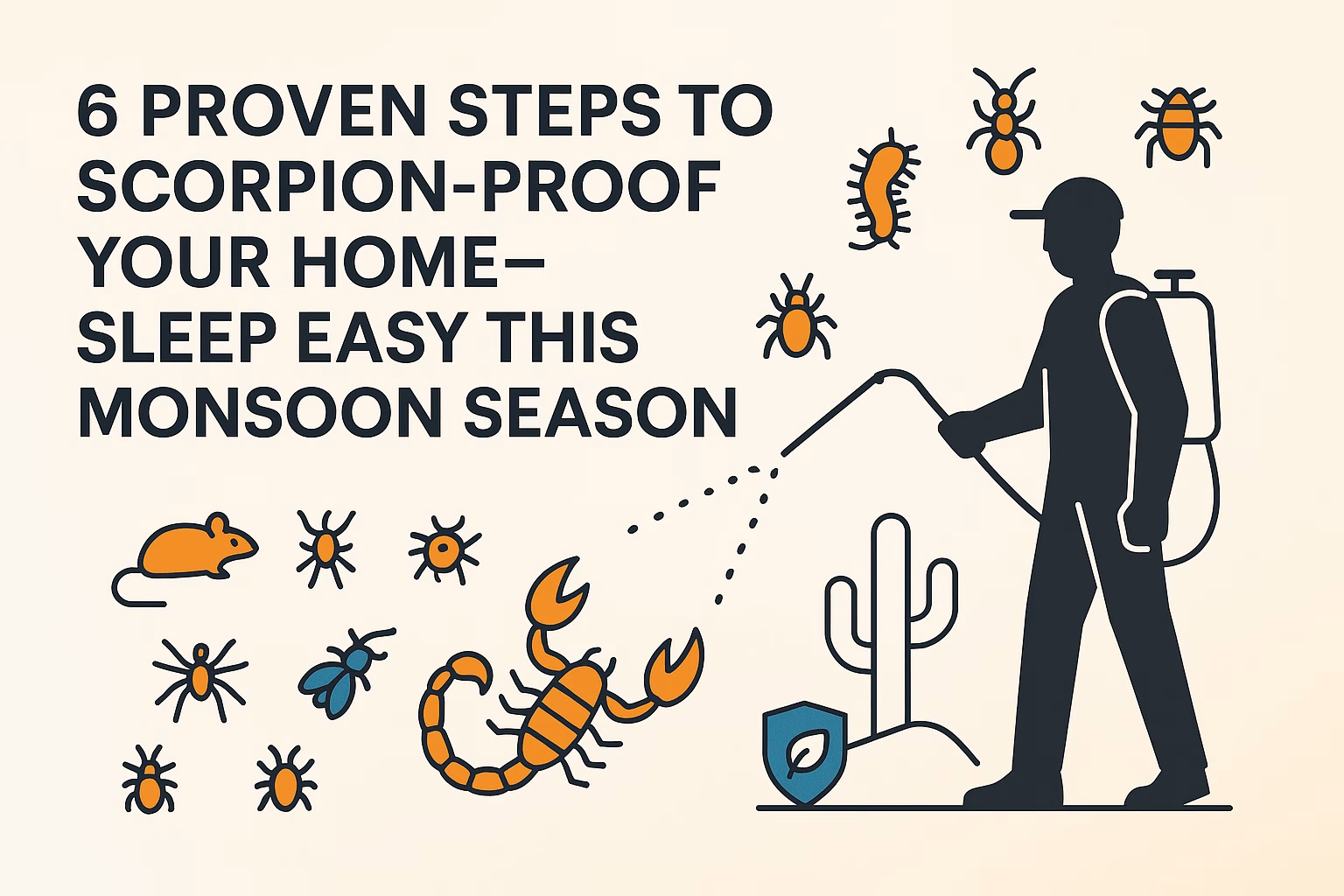
Desert living shouldn’t mean nightly standoffs with scorpions. With a focused plan and a few upgrades, you can scorpion-proof your home using proven, practical steps—not guesswork. The challenge is simple: scorpions squeeze through tiny gaps, follow moisture and prey, and often move indoors during hot, dry spells or monsoon shifts. The smart solution: a room-by-room plan grounded in scorpion prevention and strategic house sealing, guided by Integrated Pest Management (IPM). You’ll fix access, reduce attractants, and monitor effectively—so you stop problems at the source.
Start here: IPM mindset for scorpion prevention
IPM is about doing the right things in the right order. Before thinking about sprays, start by eliminating access, food, and shelter. Exclusion and habitat modification do the heavy lifting in scorpion-proofing your home. For a solid overview of IPM for arachnids, see the UC IPM principles for arachnids.
Tools checklist (gather these before you start):
- UV blacklight (for night inspections)
- Silicone or urethane caulk (paintable exterior-grade)
- Copper or stainless-steel mesh (for weep holes and utility gaps)
- Weatherstripping and tight-fitting door sweeps
- Garage bottom seals/brush seals
- Fine-mesh screens (vents, windows, and weep screeds)
- Dehumidifier (for damp rooms)
- Sticky monitoring traps
- PPE: gloves, eye protection, flashlight, long tweezers, sealable container
Exterior and yard: Your first barrier to scorpion-proof your home
Landscape and sanitation for scorpion prevention
Start outside. A clean, dry perimeter denies scorpions the shelter and moisture they seek.
- Create a dry foundation buffer: Pull mulch, gravel, or groundcover back 12–18 inches from exterior walls. This exposes foundation edges so you can seal properly and monitor activity.
- Remove harborage: Clear wood/rock piles, stacked bricks, and outdoor clutter. Store firewood off the ground and away from walls.
- Fix irrigation and drainage: Adjust timers, repair leaks, and direct downspouts away from the foundation. Standing water pulls insect prey—which attracts scorpions.
- Prune vegetation: Keep branches and shrubs from touching the house or fences (bridges let scorpions move indoors). Seasonal pressures make this critical; see Texas A&M’s guidance on hot, dry summers.
- Tucson-specific tuning: For moisture management and weep-hole care in desert builds, review year-round IPM for desert pests.
For up-to-date desert IPM tips (mowing, pruning, decluttering), see the Arizona Community IPM newsletter on scorpions and kissing bugs.
House sealing at the perimeter (foundations, stucco, block walls, roofline)
Good house sealing stops scorpions before they reach living spaces.
- Seal all gaps 1/8-inch and larger: Caulk foundation cracks, eaves, and around utility penetrations (pipes, conduits, cable lines). Scorpions can flatten and slip through surprisingly small spaces.
- Cap hollow-block walls: If your property has block fencing or hollow CMU walls, cap or screen openings at the top course to prevent harborage and hidden travel routes.
- Screen weep holes/weeps screeds: Fit copper or stainless-steel mesh so drainage remains, but access is blocked. Avoid plastic or steel wool that degrades.
- Maintain window/vent screens: Patch tears and ensure tight fits. Consider finer mesh on gable and soffit vents.
 Online Only Pricing!
Tucson Pest Control—Fast, Local, Guaranteed
Book in minutes. Lock in our online-only rate and get priority scheduling.
- Stops ants, spiders, mice & pack rats
- No long-term contracts
- Family & pet-friendly options
- Money-back guarantee
Online takes ~60 seconds.
No gimmicks—just your price & schedule.
Prefer to talk? We can't guarantee our online prices over the phone.
We're happy to talk! Call us at (520) 476-0879
Follow a methodical exclusion process using the Texas A&M School IPM action plan for bark scorpions, and see practical steps like door sweeps and UV checks in the Arizona IPM guide to managing scorpions.
Doors, windows, and garage: House sealing essentials
Tighten up doors and windows to scorpion-proof your home
Light leaks = bug leaks = scorpion leaks. Eliminate daylight around closures.
- Door sweeps and thresholds: Install tight-fitting sweeps on exterior and interior-to-garage doors. Adjust thresholds so no light shows.
- Weatherstripping: Replace worn bulb, V-strip, or foam weatherstripping. Check the latch side and top—gaps hide there.
- Window sealing: Repair screens, caulk frames, and verify drain weeps are screened.
For specs on weatherstripping, sweeps, and screening, use Clemson’s scorpion control guide.
Garage and exterior-to-interior transitions
Garages and utility rooms are common entry points. Treat them like exterior.
- Seal slab-to-wall cracks: Use urethane or polyurethane sealant for movement joints.
- Close utility entries: Seal around conduit, water lines, and cable penetrations; add escutcheon plates where missing.
- Garage door sealing: Install new bottom seals and side/top brush seals until all daylight is gone.
- Vent screening: Fit fine-mesh screens on wall vents and attic intakes; ensure they’re tight and intact.
- Tucson builds: Screen weep screeds and seal slab edges where exposed; see practical guidance on what to seal and when at natural vs. traditional pest control in Tucson.
Room-by-room checklist to scorpion-proof your home
Kitchen, baths, and laundry: Moisture and access control
Moisture and food attract insect prey—and scorpions follow.
- Fix leaks and sweating pipes: Insulate cold lines, repair trap and supply leaks, and ensure proper drainage.
- Ventilate and dehumidify: Run exhaust fans after showers/cooking and use a dehumidifier if humidity is persistent.
- Seal pipe penetrations: Close gaps under sinks, behind dishwashers, washers, and around floor drains with caulk and mesh.
- Sanitation: Wipe crumbs, store food sealed, and eliminate standing water (pet bowls overnight if sightings are active).
Moisture and harborage reduction tips are outlined in Clemson HGIC’s scorpion control guidance.
Bedrooms and nursery: Safety-first scorpion prevention
- Bed placement: Pull beds/cribs 6–8 inches from walls; keep bedding, bed skirts, and blankets off the floor.
- Clothing and shoes: Store off the ground; shake out shoes, blankets, and towels before use.
- Door sweeps: Add tight sweeps to bedroom and nursery doors if activity is noted in hallways.
- Low-toxicity monitoring: Place sticky monitors under bed frames, along baseboards, and behind nightstands to track hotspots.
For family-first prevention and first-aid basics, use the Arizona Poison & Drug Information Center scorpion resource. For low-toxicity options like sticky monitors and targeted dusts in voids, see this all-natural pest control overview.
Living areas, hallways, and closets: Eliminate harborages
- Seal lines and gaps: Caulk baseboards and floor-to-wall gaps; add gaskets behind outlets and switch plates on shared/garage walls.
- Declutter: Elevate storage, reduce stacked boxes and newspapers (ideal scorpion shelter).
- Monitoring: Place sticky traps along baseboards, behind couches, and near entry points. Check weekly and log findings.
Online Only Pricing!
Tucson Pest Control—Fast, Local, Guaranteed
Book in minutes. Lock in our online-only rate and get priority scheduling.
- Stops ants, spiders, mice & pack rats
- No long-term contracts
- Family & pet-friendly options
- Money-back guarantee
Online takes ~60 seconds.
No gimmicks—just your price & schedule.
Prefer to talk? We can't guarantee our online prices over the phone.
We're happy to talk! Call us at (520) 476-0879
Garage, attic, and crawl spaces: Advanced house sealing
- Attic/roofline: Seal around light cans, plumbing chases, and utility penetrations; screen gable and soffit vents.
- Hatches and access doors: Weatherstrip attic hatches and crawl-space doors until airtight.
- Targeted void treatments: If monitoring shows hidden activity, consider precise dust applications in attics or block walls—only after sealing. Learn when to supplement sealing at this Tucson-specific guidance.
Night inspections and monitoring: UV checks to scorpion-proof your home
How to run effective UV inspections
Scorpions fluoresce under UV light, making night inspections one of the most powerful tools in scorpion prevention.
- Timing: Inspect 60–120 minutes after dark, when activity peaks.
- Where to scan: Exterior walls, block-wall caps, fences, eaves, door thresholds, and the inside baseboards of rooms with recent sightings. Don’t forget closets and behind furniture.
- Collection: Use long tweezers and a sealable container. Wear gloves and closed-toe shoes.
- Log and adjust: Record locations, then tighten sealing and sanitation in the specific zones where you find them.
Find detailed blacklight inspection tips in this Arizona Community IPM article. Prefer a pro UV inspection and exclusion plan? See professional scorpion control and house sealing services.
When to use treatments (and when not to)
IPM-aligned, targeted options that support house sealing
Broad, repeated interior sprays rarely solve scorpion issues because they don’t address access, moisture, or prey. Instead:
- Seal first, then treat: After exclusion and sanitation, consider precise exterior barriers timed to seasonal movement (pre-monsoon and peak heat).
- Targeted void work: If monitoring reveals activity in block walls or attics, a focused dust treatment can help—but only as a complement to sealing and habitat reduction.
- Monitor results: Continue UV checks and sticky traps to verify effectiveness and guide any follow-ups.
Seasonal and neighborhood factors
Monsoon prep, hot/dry shifts, and new builds
Expect increased scorpion movement during hot, dry periods and after storms flush them from harborage. Re-check seals just before monsoon season, and coordinate yard sanitation with neighbors—especially near washes and foothills where harborage is abundant. For Tucson-specific entry-point sealing and monsoon prep, see local pest threats and seasonal prep.
Quick room-by-room checklist (print or save)
Whole-home house sealing
- Doors: install door sweeps/thresholds; replace weatherstripping; no daylight showing.
- Windows: repair screens; caulk frames; check and screen weep holes.
- Utilities/roofline: seal around pipes, conduits, and eaves; cap hollow block walls; screen vents and weep holes.
Exterior and yard
- Create a bare foundation buffer; remove clutter, wood/rock piles; prune plants off walls; fix irrigation leaks and drainage.
Moisture and sanitation
- Fix leaks; use exhaust fans and dehumidifiers in damp rooms; reduce indoor insect prey.
Bedrooms and living areas
- Pull beds/cribs from walls; shake clothing/shoes; elevate storage; place sticky monitors.
Garage/attic/crawl spaces
- Seal gaps and hatches; screen vents; consider targeted void dusting only after monitoring.
Monitoring
- Conduct UV blacklight inspections at night; log sightings; adjust sealing and sanitation accordingly.
Conclusion: Make scorpion prevention a habit
With strong house sealing, yard sanitation, moisture control, and routine UV monitoring, you can scorpion-proof your home—and keep it that way. Build these steps into your seasonal routine, and use targeted treatments only after exclusion and monitoring. For a tailored inspection and exclusion plan in Tucson, schedule a professional scorpion service visit.