Introduction
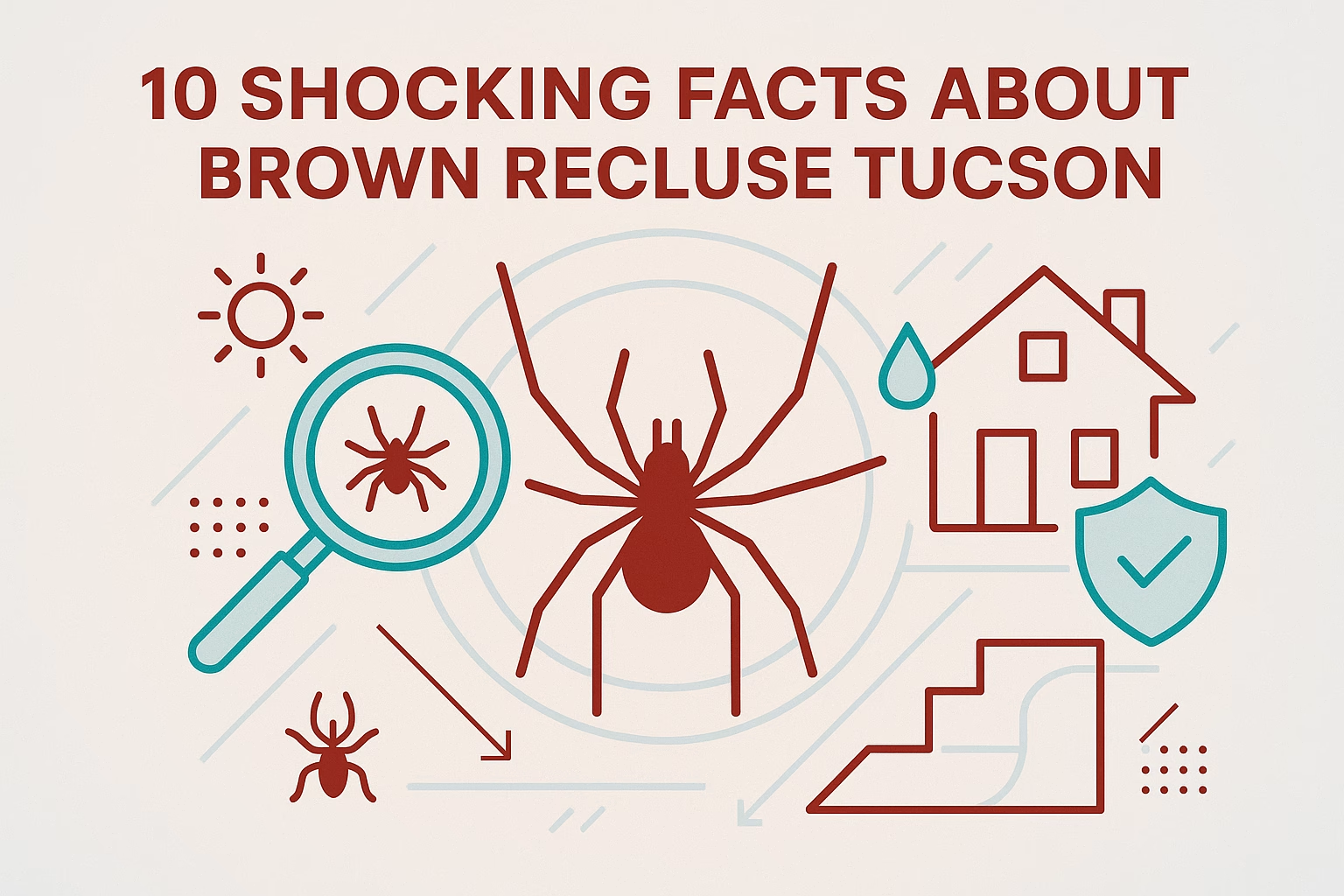
Heard a neighbor swear they saw a brown recluse in Tucson last week You are not alone. Reports of brown recluse tucson sightings pop up every season, and they can be alarming. Here is the reality check. The famous Midwest brown recluse is not a native of Southern Arizona, yet Tucson does have a few closely related recluse species that can cause confusion and concern.
The mix up happens because most people learn about the brown recluse from national headlines and then see a small brown spider at home. Meanwhile our region is home to local species that belong to the same genus and share a familiar look. This guide explains why most brown recluse tucson claims are misidentifications, and why local species like the arizona brown spider and the desert recluse deserve informed respect and practical prevention instead of panic.
Brown recluse tucson facts versus fiction
The range problem for brown recluse tucson
Tucson sits outside the established range of the true brown recluse, Loxosceles reclusa. University research has tracked verified records for decades, and the credible data show a strong concentration in the south central and midwestern United States. Tucson is well beyond that core area.
Do not take our word for it. Review the evidence on the UC Riverside recluse distribution map. You will notice how scarce confirmed records are in Arizona compared with states like Missouri and Oklahoma. Occasional transported individuals can turn up in boxes or moving trucks, but established populations of Loxosceles reclusa in Tucson are not supported by the data.
Why people still report brown recluse tucson sightings
So why do brown recluse tucson stories persist Common reasons include:
- Misidentification of other brown spiders. Many harmless house spiders are brown, and color alone is a poor clue.
- Confusion about the violin mark. The violin shape is often faint or missing in photos. Plenty of non recluse spiders appear violin like under poor lighting.
- Blaming unexplained skin lesions on spiders. Medical lesions often get labeled as spider bites even when no spider was seen.
UC Riverside offers clear guidance to separate myth from reality. Their page on brown recluse identification and misidentification shows how often other spiders and unrelated conditions are mistaken for recluses, especially in areas outside the true range.
Meet your local lookalikes arizona brown spider and desert recluse
Arizona brown spider Loxosceles in Tucson homes
What Tucson residents often call the arizona brown spider also known as the Sonoran or Arizona recluse is a local Loxosceles that prefers undisturbed spots such as closets, garages, attics, and storage rooms. It does not behave exactly like the widely publicized Midwest species, yet it belongs to the same group and can deliver a medically significant bite in rare cases.
Key differences from typical brown recluse tucson reports include smaller, more localized activity around cluttered storage, limited wandering, and a preference for tight hiding spaces. For local identification pointers and prevention steps tailored to Tucson homes, see our spider control resource.
 Online Only Pricing!
Tucson Pest Control—Fast, Local, Guaranteed
Book in minutes. Lock in our online-only rate and get priority scheduling.
- Stops ants, spiders, mice & pack rats
- No long-term contracts
- Family & pet-friendly options
- Money-back guarantee
Online takes ~60 seconds.
No gimmicks—just your price & schedule.
Prefer to talk? We can't guarantee our online prices over the phone.
We're happy to talk! Call us at (520) 476-0879
Desert recluse in the Sonoran Desert
The desert recluse is more associated with natural edges and outdoor structures. Think sheds, utility rooms, storage boxes, wood and debris piles, and rock borders. This species’ presence around property edges and outbuildings fuels many brown recluse tucson rumors even though the species is different from the classic Midwest recluse.
Understanding where these spiders choose to live is half the battle. Manage clutter and seal access points and you reduce encounters dramatically.
Quick identification for recluse type spiders
Visual cues that matter more than color
Color is unreliable. Use these traits instead when sorting recluse type spiders from common house spiders that trigger brown recluse tucson fears:
- Size Body length about a quarter to half an inch, with long slender legs.
- Violin marking placement The mark, when present, is on the head region with the neck pointing toward the abdomen.
- Eye pattern Six eyes arranged in three pairs rather than the usual eight. This is a defining recluse trait.
- Legs with fine hairs Legs are fairly uniform in color with fine hairs and lack obvious spines.
- Plain abdomen Usually free of bold patterns or stripes.
These cues help distinguish true recluse relatives from common house spiders like funnel weavers or cobweb spiders that are frequently blamed in brown recluse tucson reports.
Behavior and webs in Tucson settings
Recluses do not build messy ceiling webs like cobweb spiders. Instead they remain hidden in voids and crevices and emerge briefly to hunt. Typical hiding spots include shoes, boxes, folded tarps, behind baseboards, and insulation voids. That is why many brown recluse tucson tales begin with someone reaching into a storage bin or slipping on a shoe that has been sitting for months.
Bites and medical guidance for Tucson residents
What symptoms look like and what to do next
Most spider encounters do not result in bites, and most bites are mild. Typical symptoms include localized redness, mild swelling, and tenderness. Serious symptoms that deserve urgent care include expanding intense pain, darkening or blistering of the skin, fever, chills, widespread rash, or any rapid worsening near a joint or on the face.
For first aid steps and expert advice specific to Arizona, consult the Arizona Poison and Drug Information Center arthropod guidance. They outline when to use cold compresses, when to clean and elevate the area, and when to call the poison center Tucson team or seek immediate medical care.
Not every wound is a spider bite
Medical literature shows that infections and dermatologic conditions often mimic recluse bites. Bacterial infections including staph, allergic reactions, burns, and even shingles have all been mistaken for spider bites. Many supposed brown recluse tucson diagnoses are later ruled out once species range, exposure history, and clinical clues are reviewed. When in doubt, document the wound, seek appropriate medical evaluation, and if possible collect or photograph the suspected spider for identification.
Online Only Pricing!
Tucson Pest Control—Fast, Local, Guaranteed
Book in minutes. Lock in our online-only rate and get priority scheduling.
- Stops ants, spiders, mice & pack rats
- No long-term contracts
- Family & pet-friendly options
- Money-back guarantee
Online takes ~60 seconds.
No gimmicks—just your price & schedule.
Prefer to talk? We can't guarantee our online prices over the phone.
We're happy to talk! Call us at (520) 476-0879
Why brown recluse tucson stories persist and how to prevent the real risks
Tucson specific prevention that actually works
Smart prevention beats fear. Use this Tucson friendly IPM checklist to reduce encounters with recluse type spiders:
- Seal entry points Caulk gaps, add door sweeps, repair weatherstripping, and screen vents.
- Declutter Store items off the floor and organize long term storage to remove undisturbed hideouts.
- Manage moisture Fix leaks and improve ventilation in garages, attics, and crawl spaces.
- Lighting choices Reduce bright exterior lights near doors that attract insects which feed spiders. Use warmer color bulbs or motion lights where practical.
- Yard cleanup Remove debris piles, stacked wood, and cardboard against walls. Trim vegetation that touches the structure.
- Safe storage Use sealed plastic bins rather than cardboard, and keep gloves handy for shed and attic tasks.
For an actionable plan built for our climate, follow our Sonoran Desert DIY framework with step by step guidance.
Where the rumors start and how to vet a sighting
Help your community avoid unnecessary alarm. If you suspect a recluse:
- Safely capture a clear photo with a coin for scale.
- Note the location, activity, and exact place where it was found.
- Submit the image to a trusted expert or local extension for identification before calling it a brown recluse tucson case.
When to call a professional in Tucson
Signs you should escalate beyond DIY
Consider professional help if you notice any of the following:
- Repeated sightings inside living spaces.
- Confirmed arizona brown spider or desert recluse in bedrooms or nurseries.
- A suspected medically significant bite near children, older adults, or anyone immunocompromised.
- Cluttered storage that resists cleanup or keeps reinfesting.
We can help design a safe plan. Explore our residential service options.
What a Tucson IPM visit looks like
Expect a focused and low impact approach:
- Inspection We look for conducive conditions such as clutter zones, gaps, and insect prey sources.
- Identification Clear confirmation of species to avoid needless treatments.
- Exclusion Sealing key entry points and recommending repairs.
- Targeted treatments Strategic applications in harborages instead of blanket spraying.
- Follow up Monitoring and adjustments based on what we find.
Prefer a no pressure assessment Book a visit now through our online scheduling page.
Local context that keeps your home safer all year
Tucson building quirks and seasonal spider pressure
Local construction often includes stucco with small gaps at utility penetrations, flat roofs with parapet scuppers, and block walls that create voids. These features can provide perfect hideaways for recluse type spiders. Seasonal shifts also matter. Monsoon moisture drives insect prey and can nudge spiders closer to homes. Warm evenings increase activity near porch lights, which can be mistaken for brown recluse tucson incursions.
Year round habits that reduce encounters
Build simple routines that make a real difference:
- Quarterly clutter checks and reorganization of storage areas.
- Use sealed plastic bins instead of cardboard in garages and sheds.
- Wear gloves when moving stored items, firewood, or garden debris.
- Rotate inspections of beds, nightstands, and baseboards especially after trips or deliveries.
For natural deterrents, inspection tips, and DIY versus pro insights, visit our Tucson pest guide.
Conclusion
The key takeaway is simple. Most brown recluse tucson stories reflect misidentification, while the arizona brown spider and the desert recluse are the true local species worth understanding. With Tucson specific IPM, you can reduce risk and avoid panic.
Ready for targeted prevention or a careful inspection that fits your home and comfort level Schedule today through our online booking page.